Understanding and Preventing Streaks in Coatings
- Eric Moe
- Feb 2
- 4 min read
When applying coatings, whether paint, varnish, or protective layers, achieving a smooth, flawless finish is the ultimate goal. However, one common issue that can ruin the appearance and performance of coatings is the presence of streaks. These unwanted lines or marks can detract from the aesthetic appeal and may even compromise the coating’s durability. This article explores the causes of streaks in paint application coatings, how to prevent them, and practical tips to ensure a professional finish every time.
What Are Streaks in Coatings and Why Do They Occur?
Streaks in coatings are visible lines or marks that appear unevenly across the surface after application. They can be caused by several factors related to the coating material, application technique, or environmental conditions.
Some common causes include:
Improper surface preparation: Dirt, grease, or uneven surfaces can cause the coating to adhere inconsistently.
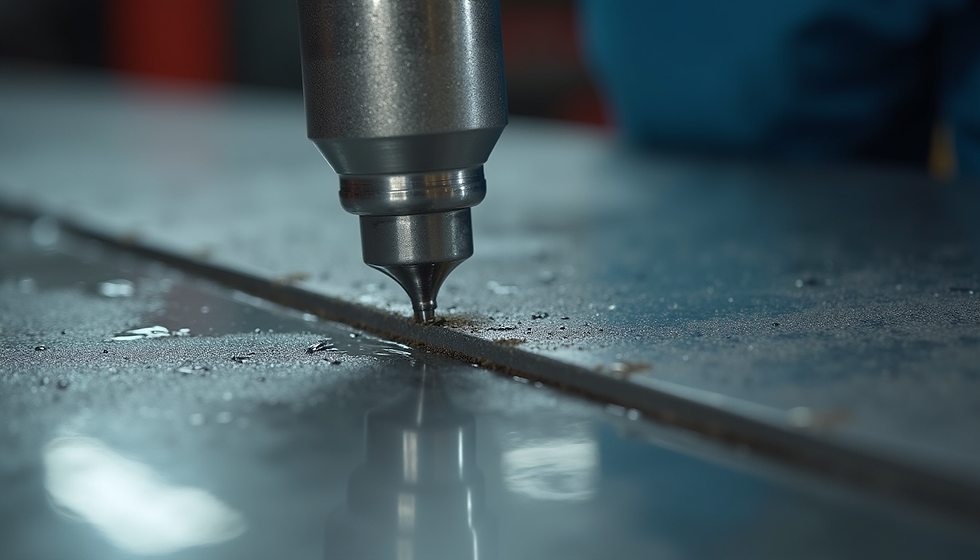
Incorrect application tools: Using nozzles, brushes or rollers that are not suitable for the coating application type can leave marks.
Poor mixing of coating materials: Inadequate mixing can result in uneven pigment or binder distribution.
Environmental factors: High humidity, temperature fluctuations, or dust can affect drying and cause streaking.
Application technique: Applying too much or too little coating, or inconsistent pressure during application, can create streaks.
Understanding these causes is the first step toward preventing streaks and achieving a smooth finish.
Common Types of Streaks in Coatings and How to Identify Them
Different types of streaks can appear depending on the coating and application method. Recognizing these can help diagnose the problem and choose the right solution.
Brush marks: These are lines left by bristles or debris on a roller, often caused by using a low-quality equipment or applying the coating too thickly.
Roller marks: Uneven roller pressure or using a roller with the wrong nap length can cause streaks.
Spray lines: Overlapping spray passes or incorrect spray pressure can leave visible lines.
Drip marks: Excess coating that pools or runs down the surface before drying can create streaks.
Color streaks: Uneven pigment distribution due to poor mixing or settling.
By identifying the type of streak, you can adjust your preparation and application methods accordingly.

What Does Streak Mean in Slang?
For our international readers, while this article focuses on coatings, it’s interesting to note that the term streak has various meanings in slang. In casual conversation, a streak can refer to a continuous series of successes or failures, such as a winning streak in sports or a losing streak in games. It can also mean running nude in public, often as a prank or dare.
However, in the context of coatings, the term strictly refers to the visible lines or marks that affect the finish quality.
Practical Tips to Prevent Streaks in Coatings
Preventing streaks requires attention to detail throughout the entire coating process. Here are actionable recommendations to help you avoid this common problem:
Prepare the Surface Thoroughly
Clean the surface to remove dust, grease, and old paint residues.
Sand uneven areas to create a smooth base.
Use a primer if necessary to improve adhesion.
Choose the Right Tools
Select brushes or rollers designed for the specific coating type.
Use high-quality tools to ensure even application.
For spray applications, adjust the nozzle and pressure settings properly.
Mix Coating Materials Properly
Stir or shake the coating thoroughly before use.
Avoid mixing too vigorously to prevent air bubbles.
Follow manufacturer instructions for thinning or adding additives.
Apply Coating Evenly
Use consistent pressure and strokes.
Avoid overloading the brush or roller.
Work in small sections to maintain a wet edge and prevent lap marks.
Control Environmental Conditions
Apply coatings in recommended temperature and humidity ranges.
Avoid dusty or windy environments.
Allow adequate drying time between coats.
Practice Patience
Apply multiple thin coats rather than one thick coat.
Sand lightly between coats if necessary to smooth imperfections.
By following these steps, you can significantly reduce the risk of streaks and achieve a professional finish.

How to Fix Streaks After They Appear
If streaks have already appeared, don’t despair. There are ways to correct the finish depending on the severity and type of streak:
Light streaks: Lightly sand the affected area with fine-grit sandpaper and apply a thin touch-up coat.
Severe streaks: Strip the coating using a chemical remover or sanding, then reapply after proper surface preparation.
Spray lines: Feather the edges with a brush or roller to blend the lines.
Drip marks: Sand down drips once dry and recoat the area.
Always test a small area first to ensure the repair blends well with the surrounding surface.
Final Thoughts on Achieving Flawless Coatings
Achieving a streak-free coating finish is a combination of proper preparation, the right tools, correct application techniques, and environmental control. By understanding the causes and types of streaks, you can take proactive steps to prevent them. Remember, patience and attention to detail are key to a professional-looking result.
For those seeking to learn more about the nuances of coating finishes and troubleshooting, continuous practice and experimentation with different materials and methods will build confidence and skill.
If you want to explore more about the technical aspects of coatings and their finishes, consider consulting product manufacturers’ guidelines or professional training resources.
By mastering these techniques, you can ensure your coatings look smooth, even, and durable, enhancing both the appearance and longevity of your surfaces.