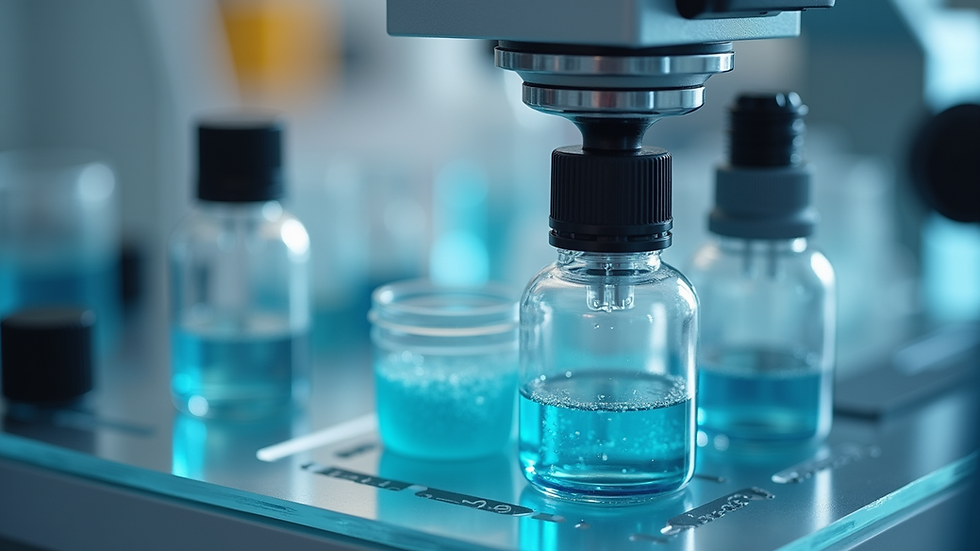
Innovative Industrial Coating Technologies: Advancing Manufacturing Precision
Industrial coatings play a critical role in protecting and enhancing the performance of manufactured components. As manufacturing demands evolve, so do the technologies behind coatings. I have observed firsthand how innovative industrial coating technologies are transforming industries by improving durability, efficiency, and sustainability. This post explores the latest advancements, types of coatings, and practical applications that are shaping the future of manufacturing.
Exploring Advanced Industrial Coating Technologies
Industrial coating technologies have progressed significantly beyond traditional paint and protective layers. Today’s solutions integrate cutting-edge materials science and application methods to meet stringent performance requirements. These technologies focus on:
Enhanced corrosion resistance to extend component life in harsh environments.
Thermal barrier coatings that protect parts exposed to extreme temperatures.
Wear-resistant coatings that reduce friction and mechanical degradation.
Eco-friendly formulations that minimize environmental impact.
For example, plasma spray coating technology allows for the deposition of ceramic and metallic layers with precise thickness control. This method is widely used in aerospace and energy sectors to improve thermal insulation and wear resistance. Similarly, chemical vapor deposition (CVD) techniques enable ultra-thin, uniform coatings that enhance surface hardness without adding bulk.
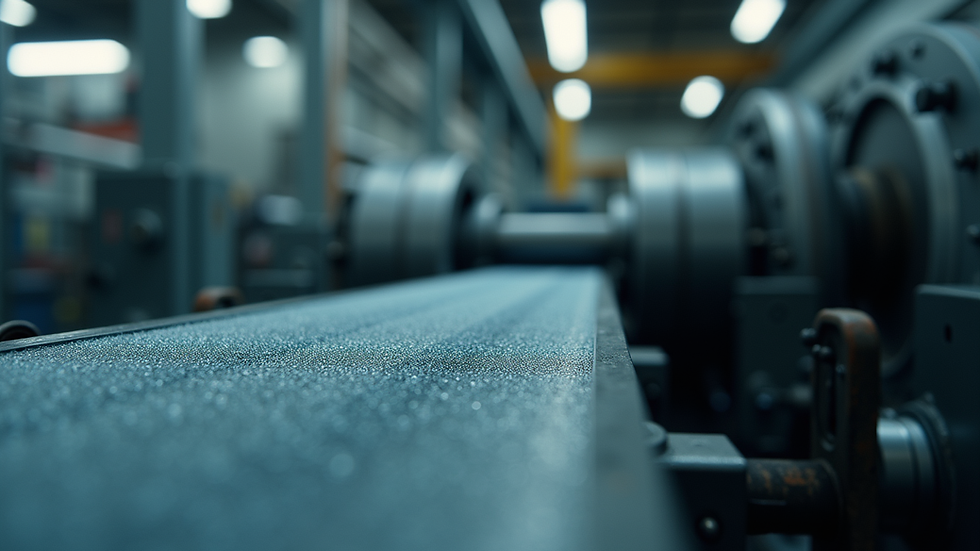
Close-up view of industrial machinery with advanced coating layers
These technologies not only improve product performance but also reduce maintenance costs and downtime. Manufacturers can achieve higher tolerances and better surface finishes, which are essential for critical applications in renewable energy, medical devices, and precision tooling.
What are the different types of industrial coatings?
Understanding the variety of industrial coatings is essential for selecting the right solution for specific manufacturing needs. The main types include:
Epoxy Coatings
Epoxy coatings offer excellent adhesion, chemical resistance, and mechanical strength. They are commonly used in pipelines, tanks, and structural steel to prevent corrosion.
Polyurethane Coatings
Known for flexibility and UV resistance, polyurethane coatings protect outdoor equipment and vehicles from weathering and abrasion.
Ceramic Coatings
These coatings provide exceptional heat resistance and hardness. They are ideal for engine components, turbines, and cutting tools.
Metallic Coatings
Applied through processes like galvanizing or electroplating, metallic coatings protect against corrosion and improve conductivity.
Fluoropolymer Coatings
Offering low friction and chemical inertness, fluoropolymer coatings are used in chemical processing and food industry equipment.
Powder Coatings
Powder coatings are applied electrostatically and cured under heat, creating a durable finish with minimal environmental impact.
Each type has unique properties tailored to specific industrial challenges. Selecting the appropriate coating depends on factors such as operating environment, mechanical stress, and regulatory requirements.
Innovations Driving Industrial Coating Solutions Forward
The demand for smarter, more efficient coatings has led to several innovative developments:
Nanotechnology in Coatings
Incorporating nanoparticles enhances coating properties like scratch resistance, self-cleaning, and antimicrobial effects. Nanocoatings can also improve thermal conductivity or insulation depending on the application.
Smart Coatings
These coatings respond to environmental stimuli such as temperature, pH, or mechanical stress. For instance, self-healing coatings can repair minor damages autonomously, extending service life.
Eco-Friendly and Sustainable Coatings
Water-based and solvent-free coatings reduce volatile organic compound (VOC) emissions. Biodegradable and recyclable coatings are gaining traction to meet environmental regulations.
Hybrid Coatings
Combining organic and inorganic materials, hybrid coatings offer multifunctional benefits like corrosion resistance coupled with electrical conductivity.
These innovations are not just theoretical. I have seen manufacturers implement these technologies to improve product reliability and comply with increasingly strict environmental standards.

High angle view of industrial coating application on metal surface
Practical Recommendations for Implementing Industrial Coating Technologies
To maximize the benefits of advanced coatings, manufacturers should consider the following steps:
Assess Operating Conditions Thoroughly
Understand the environmental factors such as temperature, humidity, chemical exposure, and mechanical wear that the coated component will face.
Select Coating Type Based on Performance Needs
Match coating properties with application requirements. For example, use ceramic coatings for high-temperature parts and epoxy for chemical resistance.
Invest in Surface Preparation
Proper cleaning and surface treatment are critical for coating adhesion and longevity. Techniques like sandblasting or chemical etching improve coating performance.
Leverage Advanced Application Methods
Utilize technologies such as thermal spraying, electrostatic powder coating, or CVD to achieve uniform and precise coatings.
Implement Quality Control Measures
Regular inspection using techniques like adhesion testing, thickness measurement, and microscopy ensures coating integrity.
Plan for Maintenance and Recoating
Establish schedules for inspection and recoating to prevent premature failure and downtime.
By following these guidelines, manufacturers can enhance product durability, reduce costs, and maintain high-quality standards.
The Future of Industrial Coating Technologies in Precision Manufacturing
Looking ahead, the integration of digital technologies with industrial coatings will further revolutionize manufacturing. For example, incorporating sensors within coatings can provide real-time data on wear and environmental conditions. This data-driven approach enables predictive maintenance and optimizes production processes.
Moreover, additive manufacturing combined with advanced coatings will allow for complex, multifunctional components tailored to specific applications. The synergy between precision die manufacturing and innovative coatings will drive breakthroughs in sectors like renewable energy, medical devices, and aerospace.
As the industry evolves, staying informed about emerging trends and technologies is essential. I encourage manufacturers to explore partnerships and invest in research to remain competitive and meet the growing demands of advanced manufacturing.
For those interested in exploring more about industrial coating solutions, I recommend reviewing case studies and technical resources to understand how these innovations can be applied effectively.
Industrial coating technologies are no longer just protective layers; they are integral to the performance and sustainability of modern manufacturing. By embracing innovation and best practices, manufacturers can achieve unprecedented precision and reliability in their products.