Inside a Coating Lab: Understanding Coating Laboratory Functions
In the world of advanced manufacturing, precision and innovation are paramount. One critical area that supports these goals is the coating laboratory. These specialized facilities play a vital role in developing, testing, and refining coatings that enhance product performance across industries such as renewable energy, medical devices, and extrusion technologies. This post explores the core functions of a coating laboratory, shedding light on the processes and expertise that drive advancements in coating science.
The Role of Coating Laboratory Functions in Manufacturing
Coating laboratory functions are essential for ensuring that coatings meet stringent quality and performance standards. These labs focus on formulating, applying, and analyzing coatings to optimize their properties for specific applications. The work done here directly impacts product durability, efficiency, and safety.
Key activities include:
Formulation Development: Creating new coating recipes tailored to unique material and environmental requirements.
Application Testing: Evaluating different methods of applying coatings, such as spraying, dipping, or roll coating.
Performance Analysis: Measuring properties like adhesion, corrosion resistance, hardness, and flexibility.
Environmental Simulation: Testing coatings under various conditions such as temperature extremes, humidity, and UV exposure.
Each of these functions requires precise instrumentation and skilled technicians who understand the chemistry and physics behind coatings.
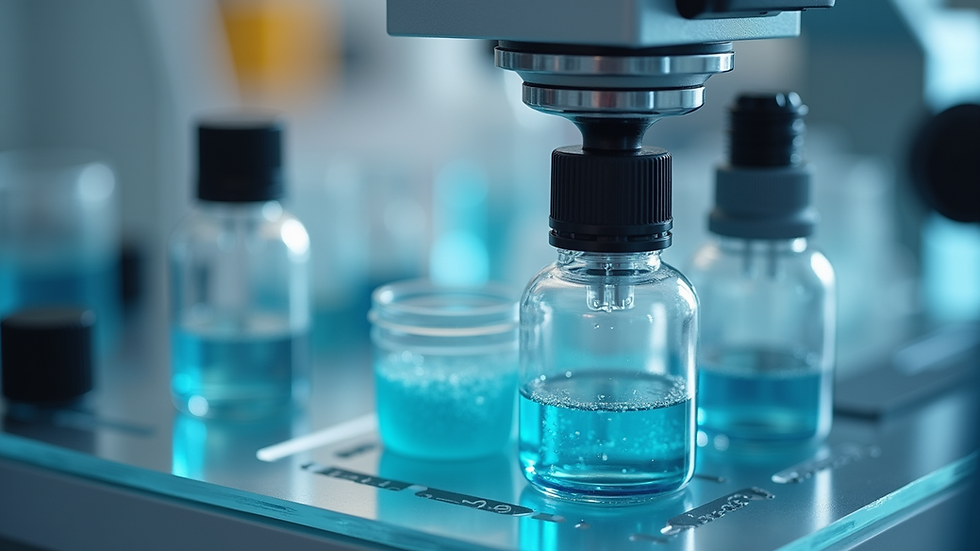
Close-up view of laboratory equipment used for coating formulation
Key Processes in a Coating Laboratory
The processes within a coating lab are designed to systematically develop and validate coatings. Here’s a breakdown of the typical workflow:
Material Selection and Preparation
Raw materials such as polymers, pigments, solvents, and additives are carefully selected based on the desired coating characteristics. Preparation involves mixing and conditioning these materials to create a uniform base.
Coating Formulation
Scientists experiment with different ratios and combinations to achieve optimal performance. This stage often involves iterative testing and adjustment.
Application Trials
Coatings are applied to test substrates using various techniques. This step helps determine the best application method for uniform coverage and adhesion.
Curing and Drying
Depending on the coating type, curing may involve heat, UV light, or chemical reactions. Proper curing is critical to achieving the final coating properties.
Testing and Evaluation
Coatings undergo rigorous testing, including mechanical stress tests, chemical resistance, and environmental exposure. Data collected here informs further refinement.
Documentation and Reporting
Detailed records of formulations, procedures, and test results are maintained to ensure reproducibility and compliance with industry standards.
This structured approach ensures coatings are not only effective but also reliable and consistent.
Advanced Testing Techniques in Coating Labs
Modern coating laboratories employ a variety of sophisticated testing methods to assess coating quality. These techniques provide quantitative data that guide formulation improvements and validate product claims.
Adhesion Testing: Methods like cross-hatch and pull-off tests measure how well a coating bonds to a substrate.
Thickness Measurement: Tools such as micrometers and ultrasonic gauges ensure coatings meet specified thickness tolerances.
Hardness Testing: Techniques like pencil hardness and nanoindentation evaluate surface resistance to scratching and deformation.
Corrosion Resistance: Salt spray chambers simulate harsh environments to test protective coatings.
Optical and Surface Analysis: Microscopy and spectrometry reveal surface morphology and chemical composition.
By integrating these tests, coating labs can predict how coatings will perform in real-world conditions, reducing the risk of failure in critical applications.

Eye-level view of a technician conducting adhesion testing on coated metal samples
How Coating Labs Support Innovation in Critical Industries
Coating laboratories are at the forefront of innovation, enabling manufacturers to meet evolving industry demands. For example, in renewable energy, coatings must withstand extreme weather and UV exposure while maintaining efficiency. In medical device manufacturing, biocompatibility and sterilization resistance are crucial.
The lab environment allows for:
Rapid Prototyping: Quick development and testing of new coating formulations accelerate product development cycles.
Customization: Tailored coatings can be designed to meet specific client requirements, such as enhanced wear resistance or electrical conductivity.
Sustainability: Labs explore eco-friendly materials and processes to reduce environmental impact.
Quality Assurance: Continuous testing ensures that coatings comply with regulatory standards and customer expectations.
These capabilities help manufacturers stay competitive and deliver high-performance products that address complex challenges.
Best Practices for Collaborating with a Coating Laboratory
To maximize the benefits of working with a coating lab, consider the following recommendations:
Define Clear Objectives: Provide detailed specifications and performance goals to guide formulation and testing.
Engage Early: Involve the lab during the design phase to identify potential coating challenges and solutions.
Communicate Regularly: Maintain open lines of communication to review progress and adjust parameters as needed.
Leverage Expertise: Utilize the lab’s knowledge of materials science and application techniques to explore innovative options.
Plan for Scale-Up: Ensure that formulations developed in the lab can be efficiently scaled to production volumes without compromising quality.
By following these practices, manufacturers can achieve more reliable outcomes and reduce time-to-market.
The Future of Coating Laboratory Functions
As manufacturing technologies evolve, so do the demands on coating laboratories. Emerging trends include:
Digitalization: Integration of data analytics and automation to enhance testing accuracy and efficiency.
Nanotechnology: Development of coatings with nanoscale features for improved performance.
Multifunctional Coatings: Combining properties such as self-cleaning, anti-microbial, and thermal regulation.
Sustainability Focus: Increased use of bio-based materials and solvent-free processes.
These advancements will continue to position coating labs as critical enablers of innovation in precision manufacturing.
Exploring the inner workings of a coating lab reveals the complexity and expertise required to develop coatings that meet the highest standards. Their role is indispensable in advancing technologies that support critical industries worldwide.