


The Importance of Backup Extrusion Dies in Manufacturing
Updated: Feb 20
Why Extrusion Dies Matter
Extrusion dies control the shape and quality of the final product. They must be precisely engineered and maintained to ensure consistent output. A worn or damaged die can lead to defects, scrap material, and increased operational costs. Because dies are often custom-made and costly, their failure can disrupt production schedules significantly.
Manufacturers rely on extrusion dies for products ranging from automotive parts to packaging and medical materials. The complexity and precision required mean that replacing a die is not a quick process. This makes the availability of a backup die essential to keep production running smoothly.
The Cost of Downtime Without a Backup Die
When an extrusion die fails unexpectedly, the production line stops. The time needed to repair or replace the die can vary from hours to weeks, depending on the complexity and availability of parts. During this downtime, companies face:
Loss of production output and revenue
Increased labor costs due to idle workers or overtime
Delays in delivery schedules affecting customer satisfaction
Potential penalties for missing contractual deadlines
For example, a plastic film extrusion company experienced a die failure that halted production for ten days. Without a backup die, they had to wait for the rework to be processed, costing the company over $100,000 in lost sales and extra expenses.
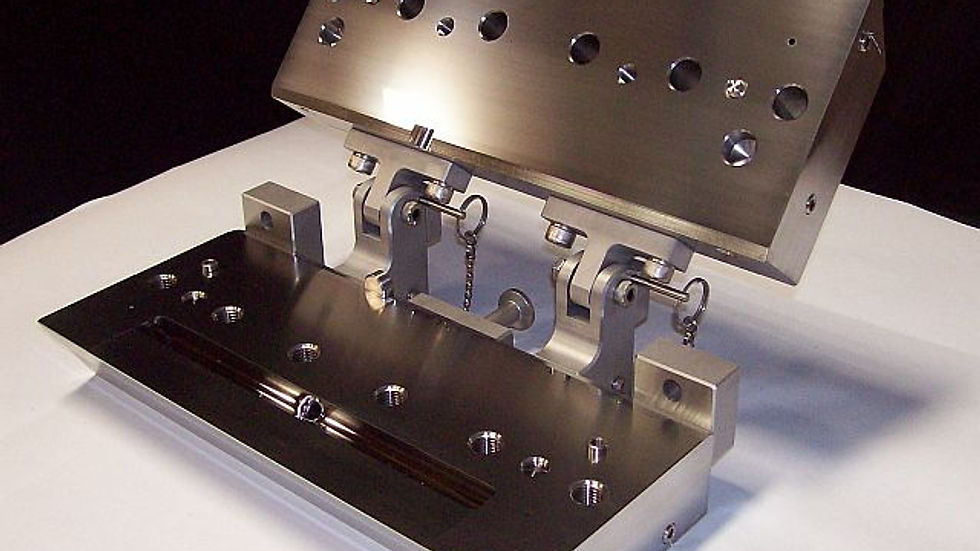

Benefits of Having a Backup Extrusion Die
1. Minimized Production Interruptions
A backup die allows manufacturers to quickly switch out a damaged or worn die without stopping production for long periods. This reduces downtime and keeps orders on schedule.
2. Cost Savings Over Time
Though purchasing a backup die requires upfront investment, it saves money by avoiding extended downtime and emergency repairs. It also reduces the risk of producing defective products that waste materials.
3. Improved Quality Control
Backup dies ensure consistent product quality by providing a ready replacement that meets the same specifications as the original. This consistency is crucial for maintaining customer trust and meeting industry standards.
4. Enhanced Flexibility in Production Planning
Having backup dies enables manufacturers to plan maintenance and die changes more effectively. They can schedule regular inspections and replacements without rushing, which extends the life of both the primary and backup dies.
5. Business Continuity and Risk Management
Backup dies act as a safety net in case of unexpected failures. This preparedness supports business continuity by reducing the risk of production stoppages that could harm the company’s reputation and financial health.
How to Implement Backup Die Practices Effectively
Assess Your Production Needs
Evaluate which extrusion dies are critical to your operations and prioritize those for backup. Consider factors such as production volume, lead time for new dies, and the cost of downtime.
Invest in Quality Backup Dies
Backup dies should match or exceed the quality and specifications of the primary dies. Using inferior backups can lead to product defects and negate the benefits of having a spare.
Store and Maintain Backup Dies Properly
Proper storage conditions prevent damage or corrosion. Regular inspections and maintenance ensure backup dies remain ready for immediate use.
Train Staff on Quick Die Change Procedures
Efficient die changeover reduces downtime further. Training operators to handle backup dies smoothly is essential for maximizing their value.
Monitor and Review Backup Die Usage
Track how often backup dies are used and analyze causes of primary die failures. This data helps improve die design, maintenance schedules, and backup strategies.
Real-World Example of Backup Die Benefits
A packaging extrusion company producing film faced frequent die wear due to corrosive materials. They invested in backup dies for their most-used profiles. When a die failed during a critical order, they swapped it out within hours, avoiding a week-long shutdown. This quick response saved the company approximately $175,000 in lost production and maintained their delivery commitments.
The Future of Extrusion Dies
As technology advances, the design and manufacturing of extrusion dies are evolving. New materials and techniques are being developed to enhance durability and performance. Companies that stay ahead of these trends can gain a competitive edge. Investing in innovative die technology can lead to better product quality and reduced operational costs.
Conclusion
In conclusion, the importance of having a backup extrusion die cannot be overstated. It not only minimizes production interruptions but also leads to significant cost savings over time. By ensuring improved quality control and enhanced flexibility in production planning, manufacturers can safeguard their operations against unexpected failures. Implementing effective backup die practices is essential for maintaining business continuity and managing risks. As manufacturers strive for efficiency and reliability, investing in backup extrusion dies should be a standard practice.
By prioritizing this aspect of production, companies can ensure they remain competitive and meet customer demands consistently. The phrase "backup extrusion die" is crucial in this context, as it encapsulates the essence of operational resilience in manufacturing.


