Diagnosing and Solving Coating Streak Issues
In advanced coating and extrusion industries, maintaining flawless surface finishes is critical. One common challenge that manufacturers face is the appearance of coating streak defects. These imperfections can compromise product quality, reduce yield, and increase operational costs. Understanding how to diagnose and solve coating streak issues is essential for achieving consistent, high-quality results.
This article explores the causes of coating streak defects, practical diagnostic methods, and effective solutions to eliminate these issues. By applying these insights, manufacturers can enhance their coating processes and meet the stringent demands of industries such as renewable energy and medical devices.
Understanding Coating Streak Issues
Coating streak issues manifest as visible lines or bands on the coated surface. These defects often result from irregularities during the coating application or drying stages. Streaks can vary in width, length, and intensity, depending on the root cause.
Common sources of coating streak defects include:
Equipment-related problems: Worn or damaged dies, uneven die lips, or improper alignment.
Material inconsistencies: Variations in coating viscosity, contamination, or particle presence.
Process parameters: Incorrect coating speed, temperature fluctuations, or inadequate drying conditions.
Environmental factors: Dust, humidity, or airborne particles interfering with the coating surface.
Identifying the exact cause requires a systematic approach, combining visual inspection, process monitoring, and equipment evaluation.

Diagnosing Coating Streak Issues
Effective diagnosis begins with a thorough examination of the coating line and materials. Here are key steps to follow:
1. Visual Inspection
Start by closely inspecting the coated product under consistent lighting. Note the location, pattern, and frequency of the streaks. Are they continuous or intermittent? Do they appear at specific points along the line?
2. Equipment Check
Examine the coating die and related components:
Die lips: Look for wear, damage, or unevenness.
Alignment: Ensure the die is properly aligned with the substrate.
Rollers and guides: Check for contamination or damage that could disrupt coating flow.
3. Material Analysis
Test the coating material for:
Viscosity: Measure to confirm it meets specifications.
Contamination: Check for particles or foreign matter.
Mixing: Verify that the coating is well-mixed and homogeneous.
4. Process Parameter Review
Analyze operational data such as:
Coating speed and pressure.
Temperature settings for coating and drying.
Environmental conditions like humidity and dust levels.
5. Trial Adjustments
Make controlled adjustments to one variable at a time to observe effects on streak formation. This methodical approach helps isolate the root cause.
Practical Solutions to Eliminate Coating Streak Defects
Once the cause is identified, implement targeted solutions to resolve coating streak issues:
Equipment Maintenance and Upgrades
Replace or refurbish worn die lips: Precision die lips ensure uniform coating thickness.
Realign equipment: Proper alignment prevents uneven coating distribution.
Clean rollers and guides: Remove contaminants that disrupt coating flow.
Material Control
Maintain consistent viscosity: Use precise mixing and temperature control.
Filter coating materials: Remove particles that cause streaks.
Use high-quality raw materials: Minimize impurities and variability.
Process Optimization
Adjust coating speed: Find the optimal speed that balances coating uniformity and throughput.
Control temperature and humidity: Stabilize environmental conditions to prevent drying irregularities.
Optimize drying parameters: Ensure even drying to avoid streak formation.
Monitoring and Automation
Implement real-time monitoring systems to detect streak defects early.
Use automated controls to maintain consistent process parameters.
The Importance of Precision in Coating Processes
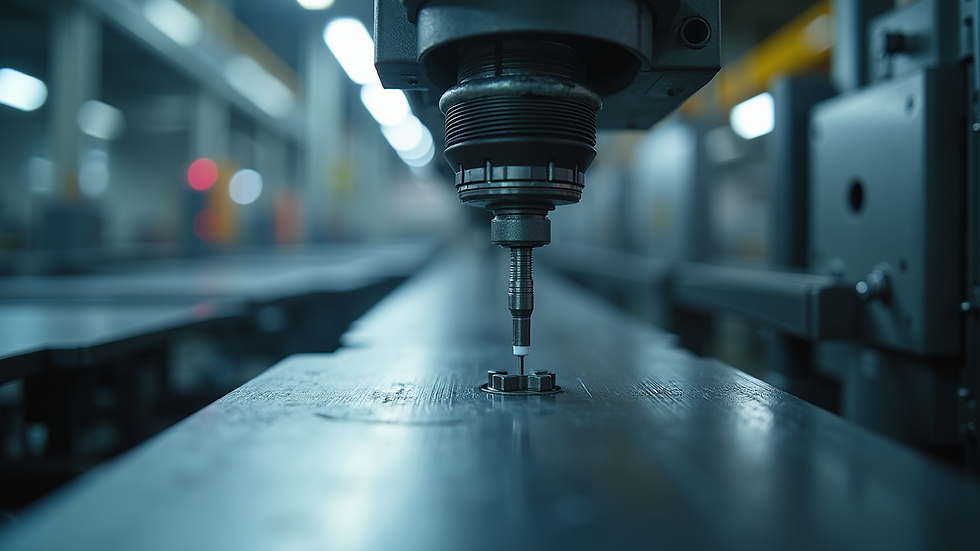
Precision in die manufacturing and process control is vital for preventing coating defects. High-tolerance dies designed with advanced engineering techniques provide consistent coating thickness and uniformity. This precision supports industries requiring stringent quality standards, such as renewable energy components and medical devices.
Investing in precision die systems and continuous process improvement not only reduces defects but also enhances overall productivity and product reliability.
Moving Forward with Confidence
Addressing coating streak issues requires a comprehensive understanding of the coating process and a commitment to precision. By systematically diagnosing defects and applying targeted solutions, manufacturers can achieve superior coating quality.
Continuous monitoring, equipment maintenance, and process optimization form the foundation of defect-free coating operations. Embracing these practices will support innovation and excellence in advanced manufacturing sectors.
Precision and consistency are achievable goals. With the right approach, coating streak defects can become a thing of the past, enabling manufacturers to deliver products that meet the highest standards of quality and performance.